
Scoliosis physiotherapy treatment offers a non-invasive approach to managing spinal curvature, providing individuals with the freedom to enhance their quality of life private rehabilitation center. Through targeted exercises, posture correction techniques, and muscle strengthening protocols, this form of therapy aims to improve spinal alignment and function.
By incorporating long-term management strategies, individuals can experience relief from discomfort and better control over their condition. Discover how scoliosis physiotherapy empowers individuals to proactively address and manage spinal curvature challenges.
Benefits of Scoliosis Physiotherapy Treatment
Through targeted exercises and specialized techniques, scoliosis physiotherapy treatment aims to improve spinal alignment and functional abilities in individuals with spinal curvature. By focusing on strengthening core muscles, stretching tight muscles, and promoting overall flexibility, physiotherapy can help reduce pain, improve posture, and enhance mobility for those with scoliosis.
Additionally, physiotherapy can assist in preventing further progression of the spinal curve, ultimately enhancing the individual’s quality of life rehabbeephysio. With a tailored treatment plan designed by a qualified physiotherapist, patients can experience increased independence and confidence in managing their condition.
Embracing the benefits of scoliosis physiotherapy treatment empowers individuals with spinal curvature to lead more active and fulfilling lives.
Key Exercises for Spinal Curvature
In scoliosis physiotherapy treatment, incorporating key exercises for spinal curvature regularly plays a crucial role in enhancing spinal alignment and functional abilities in individuals with this condition. These exercises aim to strengthen the muscles supporting the spine, improve flexibility, and promote better posture.
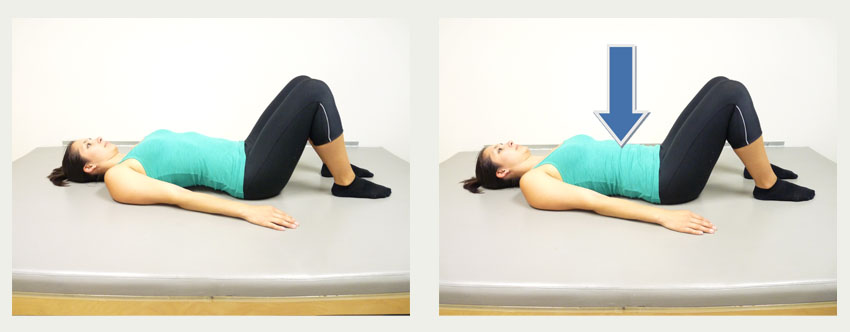
Key exercises include pelvic tilts, side plank variations, cat-cow stretches, and the Schroth method, which focuses on three-dimensional scoliosis-specific exercises. Pelvic tilts help engage the core muscles, while side plank variations target the muscles along the spine. Cat-cow stretches promote spinal mobility and flexibility. The Schroth method emphasizes elongation and stabilization of the spine through customized exercises.
Consistent practice of these key exercises, under the guidance of a physiotherapist, can help individuals manage spinal curvature effectively.
Improving Posture Through Physiotherapy
Improving posture through physiotherapy involves implementing targeted exercises and corrective techniques to enhance spinal alignment and overall body positioning. By focusing on strengthening core muscles, stretching tight muscles, and promoting proper alignment, physiotherapy can help individuals achieve better posture.
Through personalized treatment plans, physiotherapists work to address specific postural issues, such as forward head posture or rounded shoulders, to alleviate discomfort and prevent further complications. These tailored interventions not only aim to improve physical appearance but also enhance overall well-being by reducing strain on the spine and supporting structures.
Consistent practice of prescribed exercises and ergonomic adjustments in daily activities can lead to lasting postural improvements, empowering individuals to move with confidence and freedom.

Role of Muscle Strengthening in Treatment
Muscle strengthening plays a crucial role in the treatment of scoliosis through physiotherapy. Strengthening the muscles surrounding the spine can help support the spine’s alignment and reduce the progression of the spinal curvature.
Specific exercises targeting the core muscles, back muscles, and pelvic muscles can improve posture and stability, ultimately alleviating some of the discomfort associated with scoliosis. By strengthening these muscles, individuals with scoliosis can experience better spinal alignment, enhanced mobility, and reduced pain.
A tailored muscle strengthening program, designed by a physiotherapist, can address the unique needs of each patient with scoliosis, empowering them to actively participate in their treatment and improve their quality of life.
Long-Term Management Strategies
Effective long-term management of scoliosis involves implementing consistent strategies to maintain spinal alignment and function over time. Regular physical therapy sessions focusing on strengthening core muscles, improving flexibility, and correcting posture are essential.
Additionally, developing a personalized exercise routine that targets specific muscle groups can help prevent further progression of the spinal curvature. It is crucial to maintain a healthy weight to reduce strain on the spine and avoid activities that may exacerbate the condition.
Monitoring posture throughout daily activities and using ergonomic equipment can also aid in managing scoliosis in the long term. By incorporating these strategies into a daily routine, individuals with scoliosis can maintain their spinal health and function effectively for years to come.
Conclusion
Overall, scoliosis physiotherapy treatment offers various benefits in managing spinal curvature. Through key exercises, improvement of posture, and muscle strengthening, individuals can work towards long-term management of their condition.
Physiotherapy plays a crucial role in helping individuals cope with the challenges of scoliosis and improve their quality of life. By incorporating these strategies into their daily routine, individuals can effectively manage their spinal curvature and prevent further progression of the condition.
About The Author

